
What Is Wellness Interior Design?
Wellness interior design is the practice of designing spaces to support the health, wellbeing, and daily lives of the people living within them. It's an approach grounded in wellness architecture, one that treats every layout, material, and lighting decision as a contributor to overall quality of life, not just appearance.
It considers both the measurable aspects of wellness, such as air quality, lighting, thermal comfort, water quality, and material health,as well as the lived experience of a home. This includes how people rest, connect, gather, focus, and move throughout the day.
Rather than focusing solely on how a space looks, wellness interior design asks a different question:
How can a home better support the people who live there?
This is the question at the heart of every interior design for wellness spaces project ,and it's often the first thing missing when a home feels off. If you've ever walked into your own living room and wondered, why does my home feel chaotic?, the answer is rarely about mess. It's usually a sign that the space was never designed around how you actually live in it.
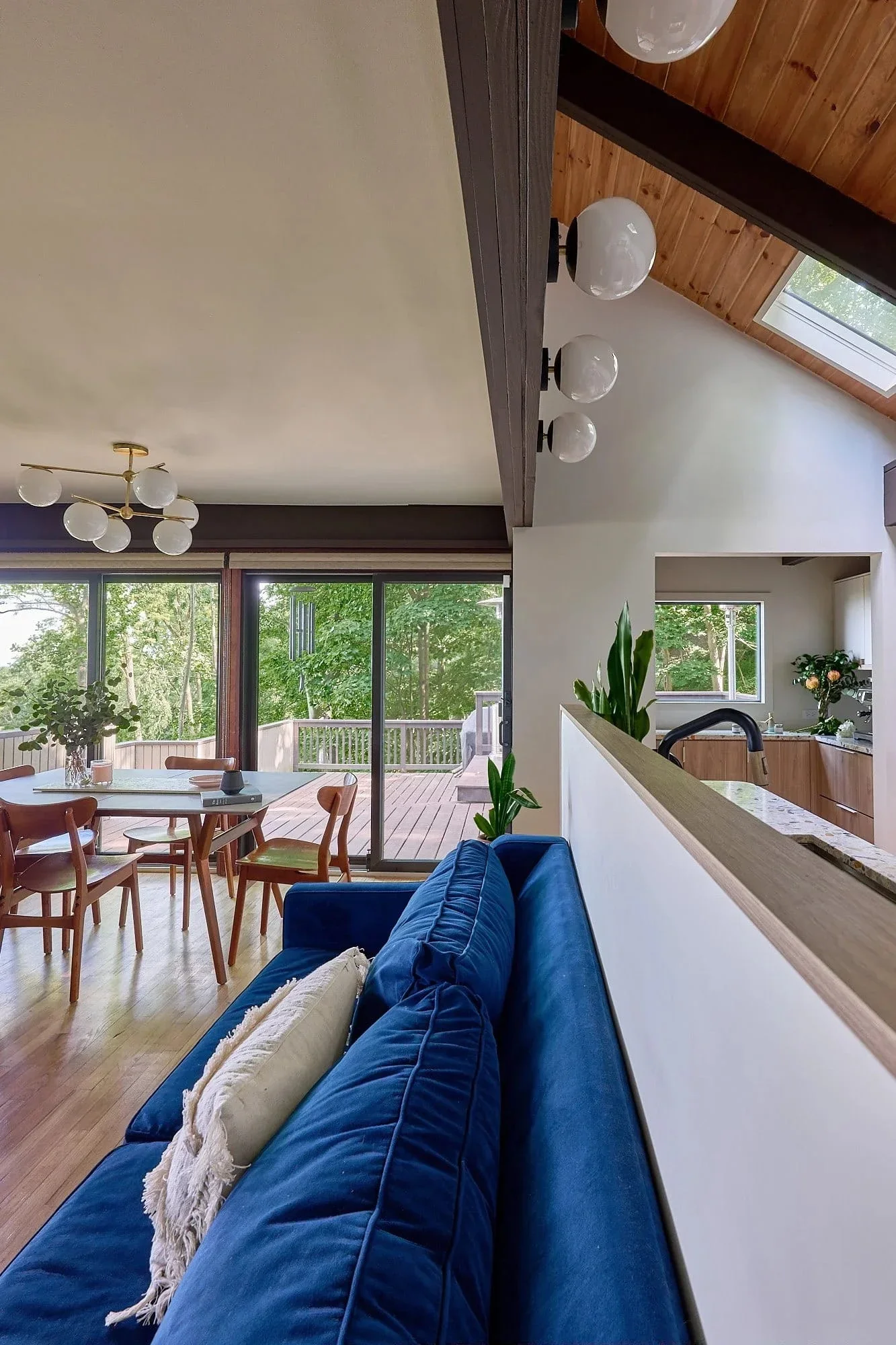
Wellness Interior Design Is Not a Style
One of the most common misconceptions about wellness focused interior design is that it has a particular aesthetic.
It does not.
A wellness-focused home is not defined by white walls, minimal furnishings, indoor plants, or any specific design trend. A traditional home can support wellbeing just as well as a contemporary home or a colorful one. Calming home design apartments don't all look alike, some are warm and layered, others are spare and quiet. What they share isn't a look. It's an intention.
Wellness is not a style.
It is an approach. Through the lens of wellness, the goal is to create a wellness space interior design that supports the people living there, whatever their taste, history, or aesthetic happens to be.
Wellness Has Both Measurable and Experiential Dimensions
Wellness-focused interior design considers both the measurable and experiential aspects of the home.
There are technical considerations: air quality, lighting that supports natural rhythms, thermal comfort, water quality, and an understanding of how materials influence health and well-being over time. This is where the science of interior design for mental health intersects with design, circadian-friendly lighting, low-VOC materials, and acoustic comfort all measurably affect how a nervous system experiences a room.
There are also psychological and social dimensions of wellness. The built environment shapes how we rest, connect, gather, play, focus, and move throughout the day.
The strongest designers, the kind of interior architect wellness New York clients seek out, understand that wellness is not only about metrics and performance. It is also about creating spaces that feel deeply aligned with the people living there.
Wellness Looks Different in Every Home
Wellness is not one-size-fits-all.
The needs of a young family may differ from those of an empty nester. Someone seeking greater restoration may require something different than someone who frequently hosts family and friends. Family wellness home design in particular tends to prioritize gathering spaces, sensory regulation for children, and rooms that can flex between play and calm.
A solo professional living in a studio apartment overlooking the Hudson River will likely require different considerations than a family of six living in a legacy home in Westchester County. Further, the same home can support two different families in two different ways. This is exactly why interior design for families New York has to be approached individually,there is no template that works twice.
There is no universal formula for wellness at home.
The strongest designers understand context. They recognize that wellbeing is shaped not only by the home itself, but also by the people living within it, their routines, priorities, challenges, and aspirations.
Because ultimately, wellness is personal.
Wellness Interior Design Asks a Different Question
Traditional design conversations often begin with aesthetics.
What color should the walls be? What style should the kitchen be? What furniture should we select?
While these questions matter, wellness interior designer New York professionals know to begin elsewhere.
It asks:
How can this home better support the people living here?
The answer may be better sleep. Greater ease in daily routines. More opportunities for gathering and connection. Improved focus. Reduced overstimulation. Or simply enjoying being home again, the kind of interior design for relaxation that turns a house back into a refuge rather than another source of stress.
The design itself becomes a tool in service of those goals.
When viewed through the lens of wellness, decisions about layout, lighting, materials, furnishings, and organization are no longer made solely for appearance. They are made with intention,supporting the way people live, feel, and experience their homes every day. The result is a genuinely peaceful home environment design, not just a photogenic one.
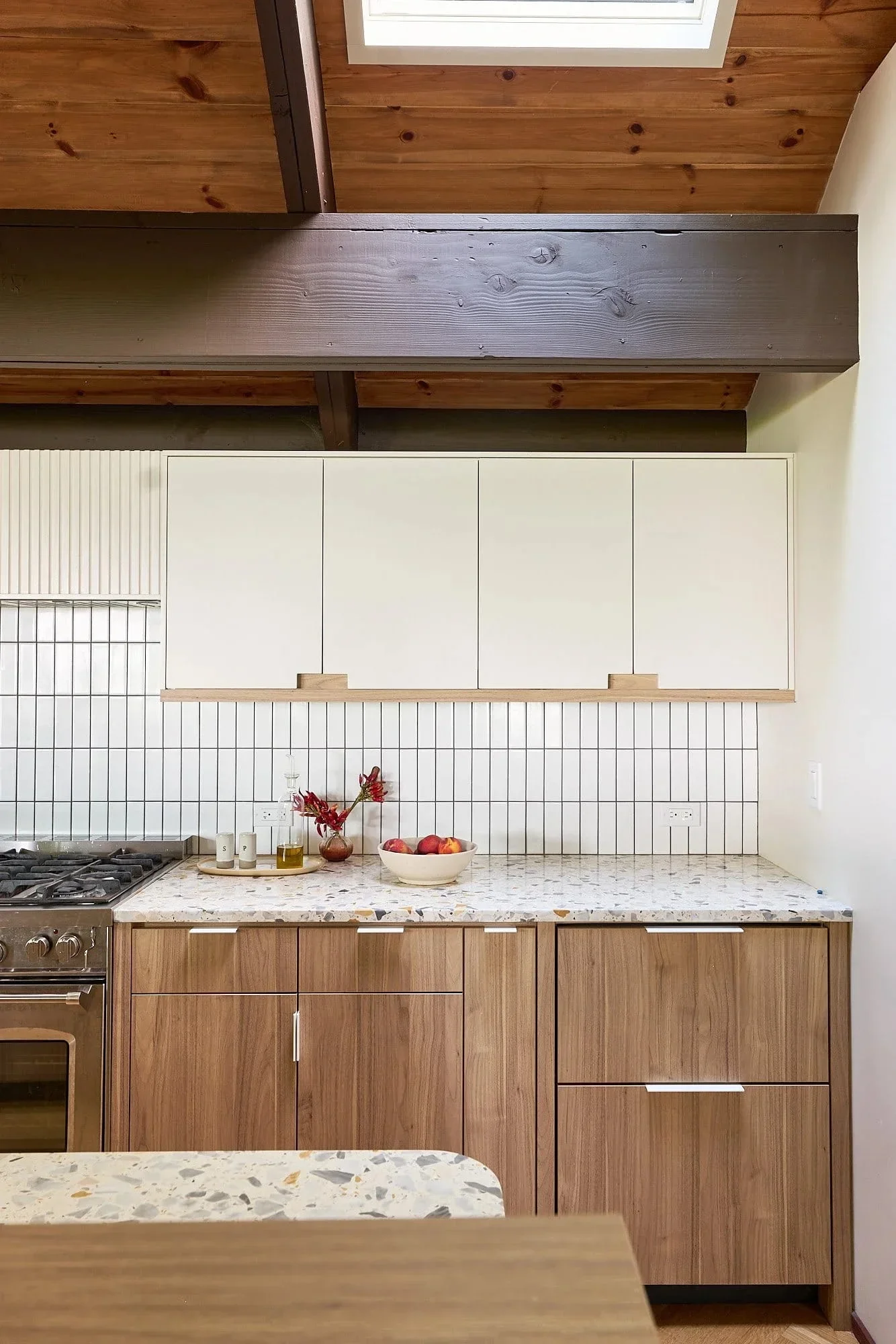
The Goal Is an Enduring Relationship with Home
The strongest homes become more than beautiful spaces.
They reflect the people living there. They accommodate daily life. They evolve alongside changing needs, routines, and priorities. They become, quite simply, a home that supports wellbeing at every stage of life lived inside it.
Over time, an enduring relationship emerges between people and their homes.
A well-designed home can make everyday life feel easier. It can foster rest after a long day, encourage gathering and connection, and bring greater intention to the routines that shape daily living. This is the essence of mindful home design, not adding more, but aligning what's already there with how life actually unfolds.
The goal is not perfection.
The goal is creating a home that continues to enrich life for years to come.
A home that feels deeply personal. A home that is cared for and appreciated. A home that gives back to the people living within it.
As the relationship deepens, it often becomes reciprocal. People begin to care for their homes with greater intention, not out of obligation, but because the space nurtures them in return. They maintain it with greater care, respect it more deeply, and find joy in its upkeep. The home becomes less of a backdrop to life and more of an active participant in it.
In many ways, wellness interior design is not simply about creating a better home. It is about fostering a lasting relationship between people and the places they live, and, ultimately, elevating their well-being and overall quality of life for years to come.
Frequently Asked Questions
What is wellness interior design?
Wellness interior design is the practice of designing homes to support the health, wellbeing, and daily lives of the people living within them. It considers both measurable factors, air quality, lighting, thermal comfort, and experiential ones, like how a space feels to rest, gather, or focus in.
Is wellness interior design a specific style or aesthetic?
No. Wellness interior design is an approach, not a look. A traditional home can support wellbeing just as well as a minimal or contemporary one. What matters is whether the space is designed around how the people living there actually function day to day.
Why does my home feel chaotic even though it's clean and organized?
Chaos often has less to do with clutter and more to do with layout, lighting, and flow. A peaceful home environment design addresses the underlying friction,awkward sightlines, poor light layering, rooms that don't match how they're actually used ,rather than just the surface symptoms.
How is interior design for mental health different from standard design?
It considers how lighting, materials, and layout affect the nervous system, not just visual appeal. Circadian-friendly lighting, low-VOC materials, and reduced visual clutter are all choices made with psychological wellbeing in mind, not only aesthetics.
Can wellness design help with family life specifically?
Yes. Family wellness home design focuses on spaces that flex with family rhythms,gathering areas for connection, calming zones for rest, and layouts that reduce daily friction for parents and children alike. Needs shift significantly between a young family, a multigenerational household, and empty nesters.
Does wellness interior design cost more than traditional design?
Not inherently. Wellness-focused design is a way of making decisions ,about layout, light, and materials,rather than a luxury add-on. It can be applied at nearly any budget, since the core principle is intention, not extravagance.
