
The Benefits of Incorporating the KonMari Method® Into Home Design
The greatest benefit of bringing the KonMari Method® into home design is that it gives us a different place to begin; it’s about understanding what brings you joy and the life you want to live.
From there, decisions about layout, storage, furnishings, materials, and what already belongs in the home can be made with greater intention. The goal is a home that is aligned with the people living in it.
For me, this is where KonMari and design naturally meet.
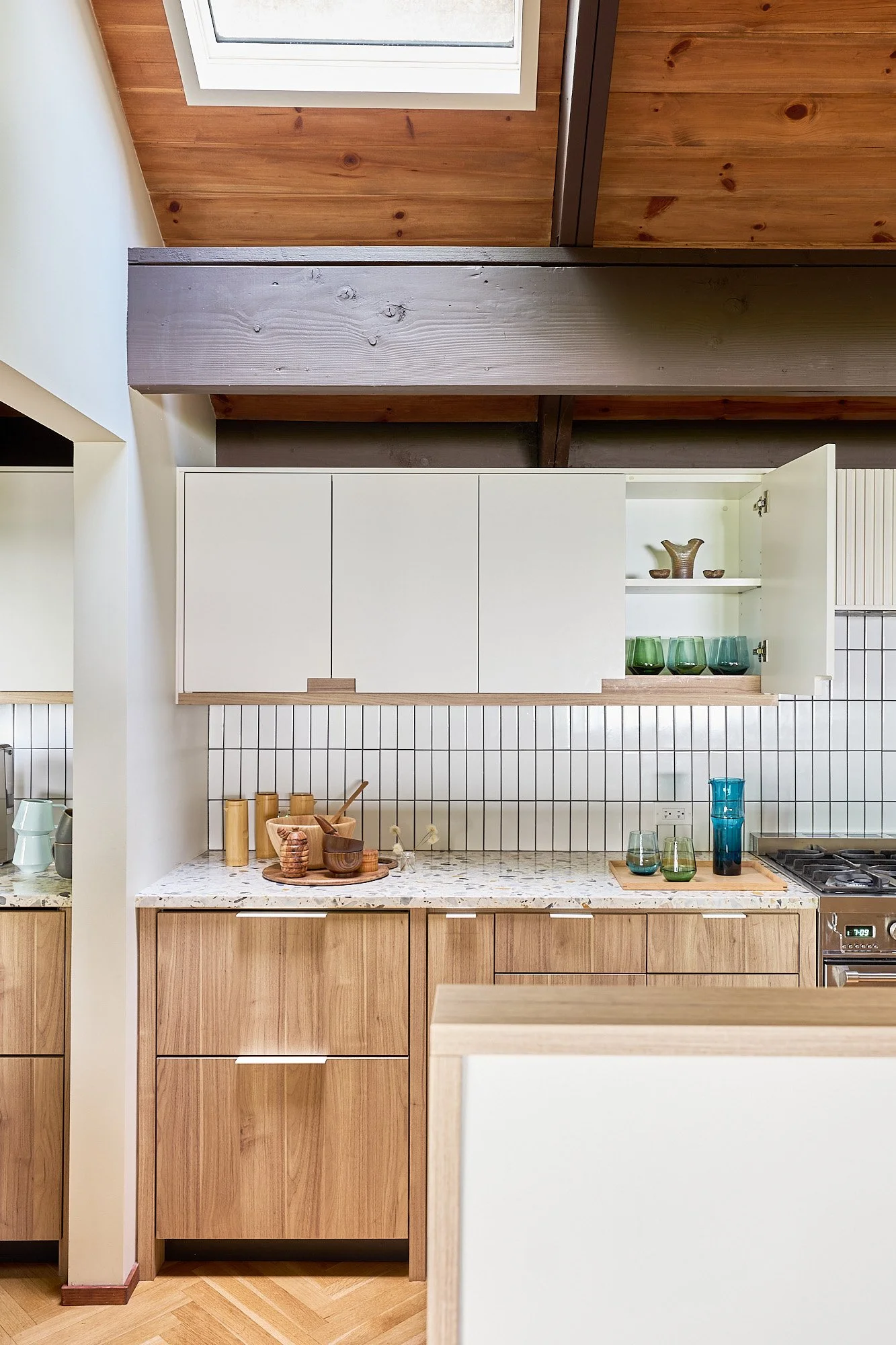
Begin With Joy
Joy is something I pay close attention to.
When I first meet our clients, I notice what makes them light up. What do they love doing? Which objects carry meaning or stories? Where do they naturally spend time? When does the family come together? What rituals are important to them? What do they want more of in their daily lives?
These are fundamental questions that give us information about what the home needs to support.
The KonMari Method taught me to ask what brings joy. As a designer, I can take that question further: How can the home make more room for it?
Sometimes that means creating a dining space that makes gathering easier. It might mean giving a beloved collection a deliberate place within the architecture. It could mean creating a quiet place to read, better storage for the realities of family life, or a bedroom that makes rest feel like a priority.
Joy becomes something for which we can design.
Envision the Life Before Designing the Space
One of the foundational steps of the KonMari Method is envisioning your ideal lifestyle before beginning to tidy.
I find this just as valuable in design.
Before deciding where a wall should move or what material belongs on a surface, we need to understand the life the home is being asked to hold.
How do our clients gather, rest, work and play? How do mornings unfold? Who cooks? Who visits regularly? Where does everyone naturally gravitate at the end of the day? What currently feels difficult? What already works beautifully?
This allows us to move beyond designing rooms according to convention and instead design them around the particular people who will inhabit them.
Understand What Deserves Space
KonMari is sometimes reduced to getting rid of things. I see it differently.
The process places just as much importance on what we choose to keep.
The furniture, art, books, objects and collections our clients value tell us something about them. Rather than assuming a renovation requires starting over, we can ask what deserves to remain and how the new design can support it.
A home should have room for the things that matter – physically, visibly, and meaningfully.
This discernment also helps us understand what doesn't need to occupy space anymore. That clarity can influence everything including the experience we create, the amount of storage we design, the furniture we specify, and the way a room is organized.
Design Storage Around Real Life
Tidying and storage are not the same thing.
More storage doesn’t automatically make a home easier to maintain. Storage works best when it responds to what someone owns, where they use it, and how they naturally move through their day.
This is something my KonMari work has made me particularly attentive to as a designer. It’s taught me to ask specific questions.
Where do shoes actually come off? Where do school bags land? What needs to be accessible every morning? What should be concealed? What does someone reach for while cooking? What belongs beside the bed?
When storage is designed around lived behavior rather than an idealized version of it, putting things away becomes more intuitive.
The home begins to support the habit.
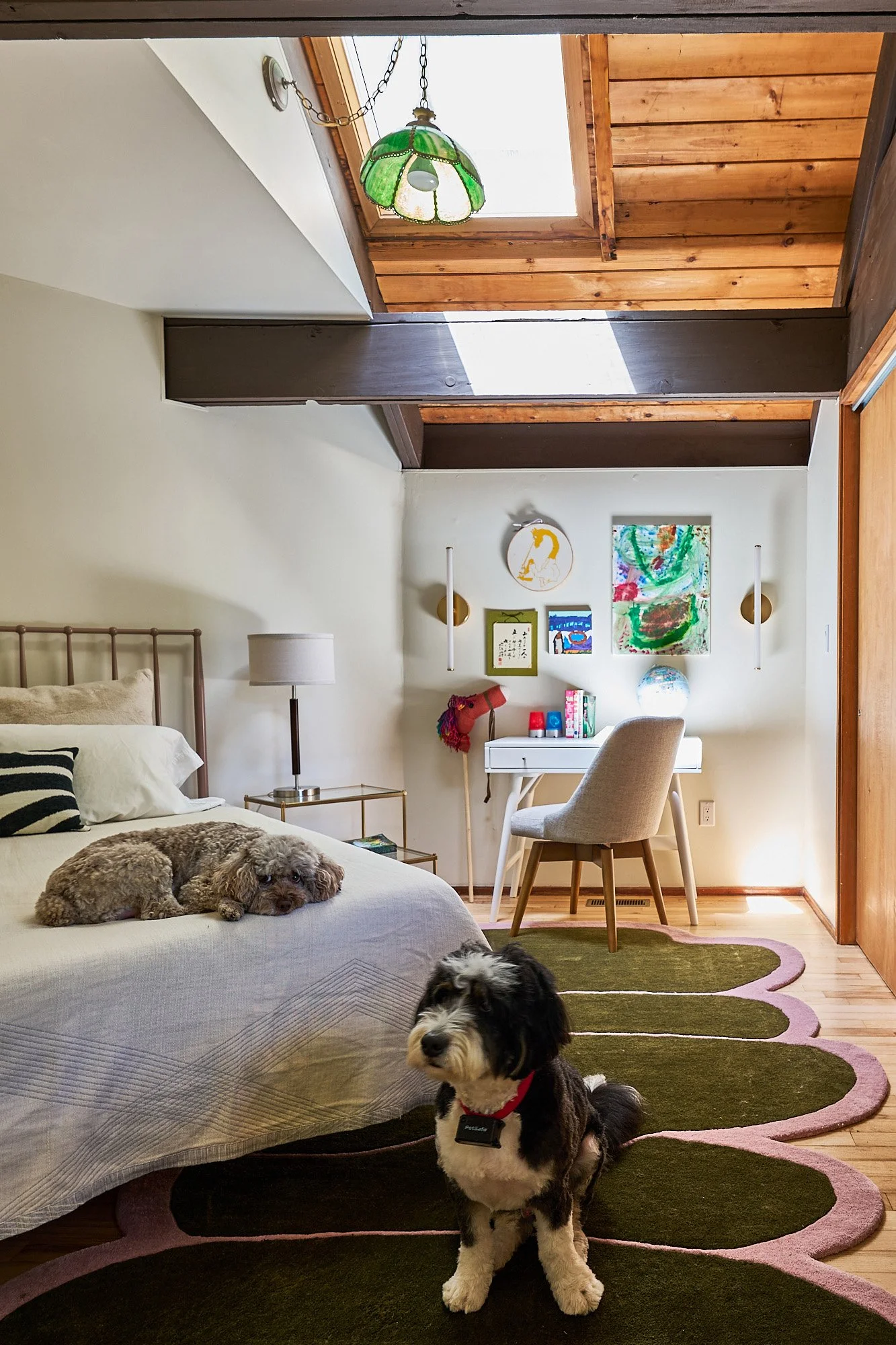
Look Beyond the Belongings
This is where my work as a designer takes the KonMari inquiry beyond our possessions.
A home can be beautifully organized and still feel difficult to live in. A room may go unused. A circulation path may work against the way the family moves. A kitchen may separate people when they want to connect. A bedroom may technically contain everything it needs and still not feel restful.
So I apply a similar process of observation to the space itself.
What is supporting the life our clients want to live? What is getting in the way? What should remain? What needs to change?
Layout, materials and light then become tools for creating greater alignment between the home and the life happening within it.
Create Greater Ease
I don't believe a home needs to remain perfectly tidy to support wellbeing. My own home doesn't.
We get busy. Things accumulate. Children play. Projects spread across tables. Sometimes we don't put everything back at the end of the day.
What matters is that the home gives us a structure we can return to.
When we understand what we value, keep what belongs in our lives, give those things appropriate places, and design spaces around the way we live, caring for the home can become easier, with reduced friction.
And that ease creates more room for the things we wanted the home to support in the first place: gathering, rest, creativity, connection—and joy.
KonMari Is Not an Aesthetic
There is no KonMari look.
A home does not need to be minimal, neutral or sparsely furnished to embody these principles. One person's joyful home may be quiet and restrained. Another's may be layered with books, art, color, objects and memories.
At The Whistling Well, we don't design according to a predetermined style or formula. We begin with our clients and the lives they want to create. We then use layout, materials and light to bring the home into greater alignment with that vision.
KonMari is an important part of The Whistling Well’s approach. Its most important lesson is also one of the simplest:
Understand what brings you joy, then create a home that makes room for it.
CREATE MORE ROOM FOR WHAT BRINGS YOU JOY
Whether you’re looking to align the home you have or considering a larger design project, we can help you determine what your space needs to better support the way you want to live.
